

A pet behaviour consultation at British Veterinary Hospital combines a full clinical health check with a detailed look at your pet’s history, routine and environment because behavioural changes often have a medical cause, not just a training one.
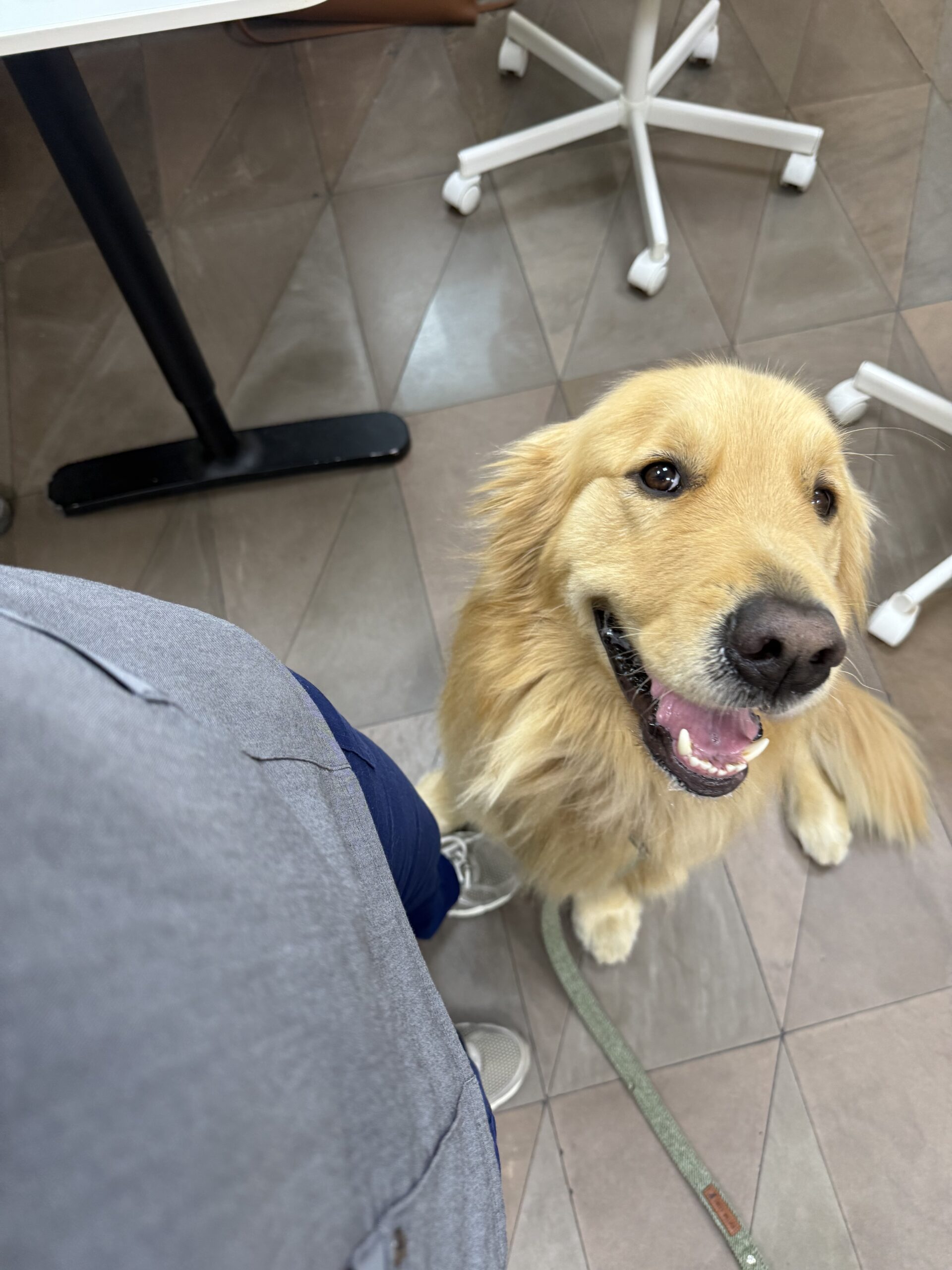
Maybe your dog started growling at people they used to love. Maybe your cat’s stopped using the litter tray. Maybe it’s something smaller the pacing, the licking, the way they’ve gone quiet and stopped wanting to be around you. Whatever it is, you’ve probably spent a while wondering if you’re overreacting, or if it’s somehow your fault.
It’s usually neither. Most behavioural changes have a real cause, and a lot of the time that cause is medical, not a training problem or a character flaw. An animal in pain often behaves completely differently from their normal self, sometimes long before anyone realises pain is what’s going on.
Behavioural problems are one of the most common reasons pets end up rehomed, and a lot of those situations didn’t have to go that far. Getting help early, before things feel unmanageable, makes a real difference.
Left alone, a lot of behavioural issues don’t stay the same size. What starts as occasional growling can become a genuine bite risk. What starts as mild anxiety can become a dog who can’t be left alone at all. The longer something’s been happening, the more it’s become a habit, and habits are harder to shift than something caught early.
That’s not meant to scare you into thinking you’ve left it too late. It’s just why sooner tends to beat later here.
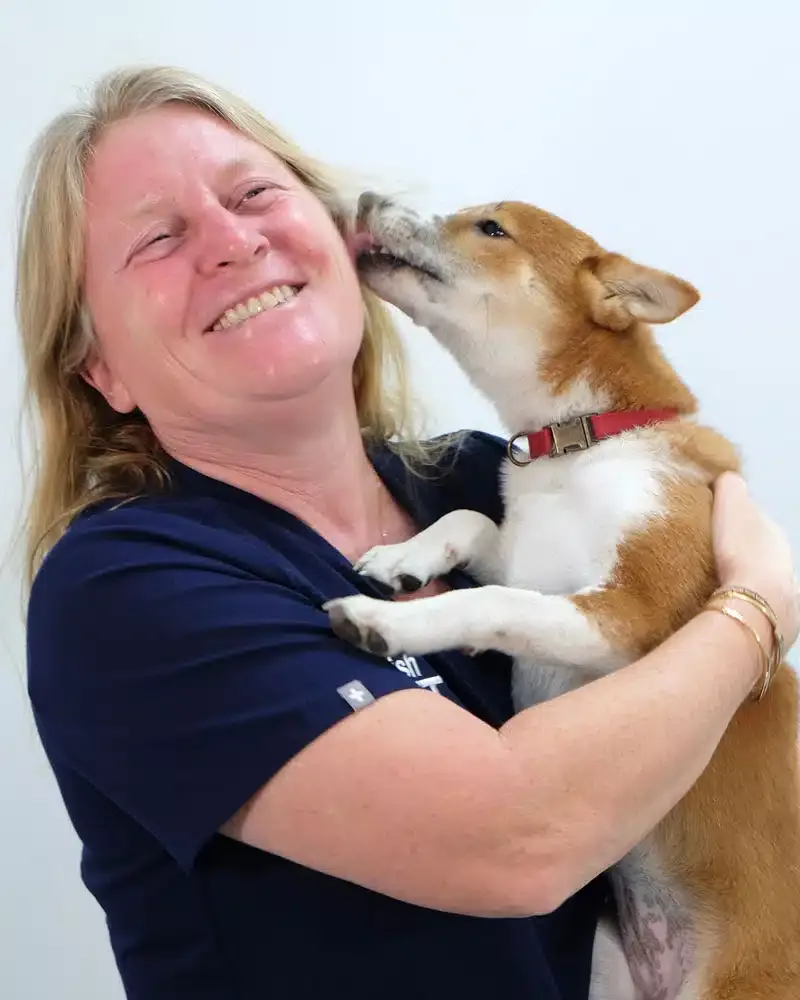
We start with the full picture, not just the behaviour itself. Your pet’s history, their routine, what’s changed at home, and their overall health all matter, because behaviour rarely happens in isolation from everything else going on.
You’re not being judged here. We see this constantly, and most of what brings owners in is far more common than they realise.
We regularly see pets dealing with:
Chronic pain is one of the most overlooked causes of behaviour problems we see. Hormonal issues, neurological conditions, and cognitive decline in older pets can all show up as a behaviour change before anything else. That's why every consultation starts with a proper clinical check, not straight into a training conversation.
We take a detailed history, examine your pet, and talk through everything you've noticed at home. From there, depending on what we find, that might mean management strategies, further tests, a behaviour plan, medication, referral to a specialist, or some mix of all of it.
We might ask what you’ve noticed, when it started, and anything that’s changed recently. If you can get a video of the behaviour, it genuinely helps pets don’t always do the thing in a clinic that they do at home.
We talk first, properly, about your pet’s history, routine, environment and what’s been happening. Then we check your pet’s overall health to rule out anything medical that could be contributing. We want the full picture before we suggest anything.
Sometimes a behavioural consultation turns up a medical issue nobody knew was there. If that happens, we’ll explain what we’ve found clearly and talk through what makes sense to do about it.
You’ll leave with a plan built around your pet and your situation, which might include:
Practical strategies for managing the behaviour
Changes to their environment or routine
Further investigation, if something medical needs ruling out
Medication, where it’s genuinely going to help
Referral to a specialist behaviourist
A follow-up to see how things are going
You’ll leave with an actual understanding of what’s going on, not just a list of instructions to try and hope for the best.
Behaviour is rarely one simple thing, and treating it that way usually doesn’t get anywhere. It’s almost always a mix of physical, environmental and emotional factors working together.
You’ll find a team here who’ll actually listen rather than reach straight for a quick fix, and who treat behaviour and health as connected rather than separate problems. We’re working with you, not handing you a leaflet and sending you on your way.
Sudden behaviour changes often have a real, identifiable cause and a lot of the time that cause is medical, not a training problem. Pain, hormonal issues, neurological conditions and cognitive decline can all show up as behaviour change before any other sign appears.
Sometimes, yes. Medication can help with anxiety and other conditions that contribute to behavioural problems, but it’s usually most effective alongside management and training, not as a standalone fix.
Not necessarily, and it’s worth checking the medical side first. Urinary tract disease and bladder inflammation are both common causes of this in cats, so that’s where we’d start before assuming it’s behavioural.
Whether it’s anxiety, aggression, destructive behaviour or something else entirely, we’re here to help, and there’s no judgement in asking.
Call us on +971 4 314 2438 or contact us via WhatsApp to book your appointment today.